
Learn who is responsible for roof replacement costs in Texas HOA communities, how HOA rules affect roofing decisions, and what rights homeowners have under Texas law.
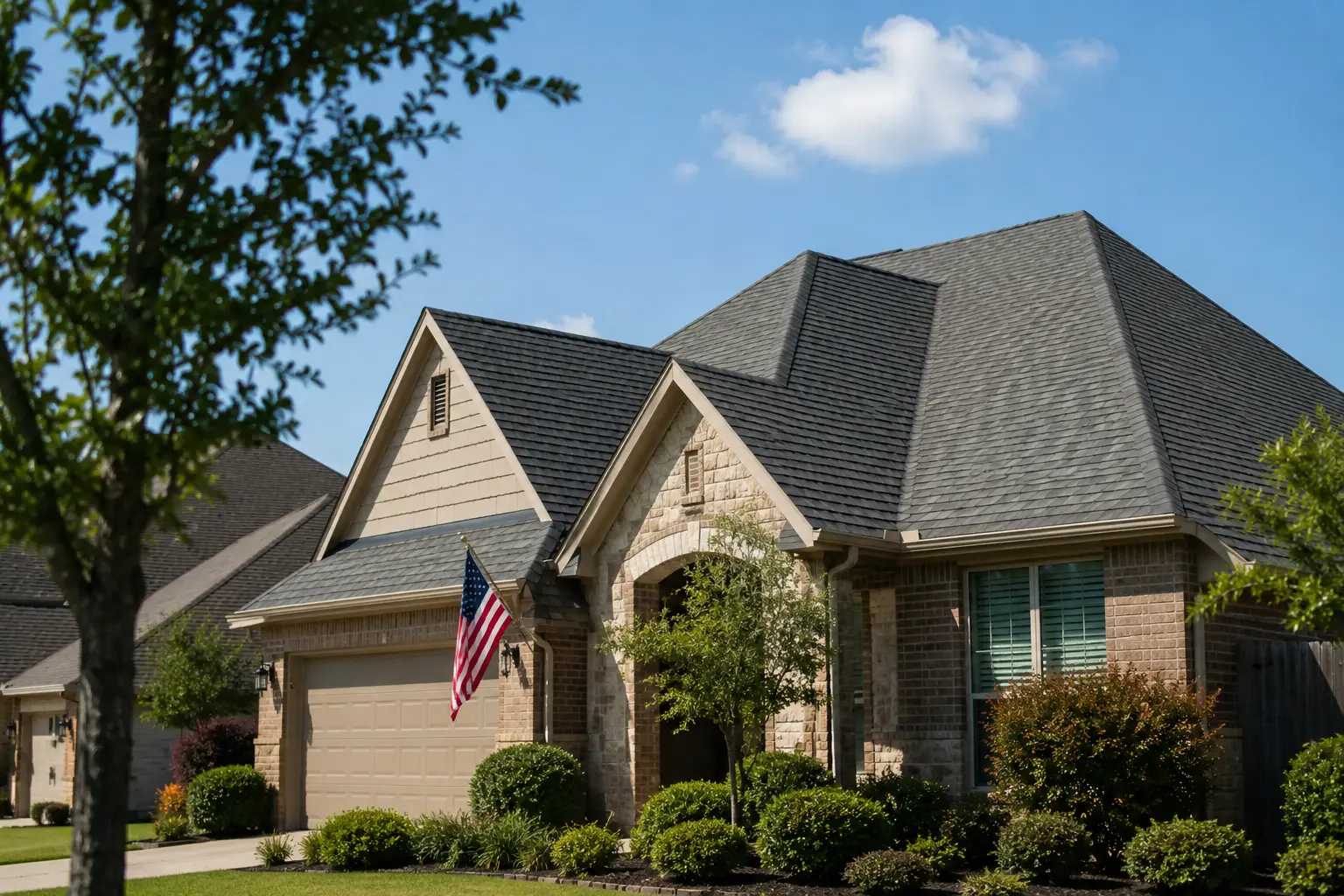
A failing roof raises an immediate question when living in an HOA community: who pays? The answer hinges on your property type and what your Covenants, Conditions, and Restrictions (CC&Rs) actually say. In most of DW's single-family HOA communities, roof replacement falls on the homeowner — but that doesn't mean the HOA steps aside entirely. They still have authority over your choice of materials, colors, and timeline.
Does HOA cover roof replacement? What do HOA roofing guidelines look like? HOA coverage and roofing guidelines vary more than most homeowners realize. Below, we break down what you need to know. If you're ready to move forward, Parish Roofing Solutions is here to help with your complete HOA roofing needs, from roofing insurance claims to replacement.
Texas ranks among the top three states for HOA communities, with over 6 million residents living in one. Your HOA roofing coverage comes down to the type of home you own and what your community's governing documents spell out. Responsibility for a roof replacement typically breaks down across the three most common property types in the Dallas-Fort Worth area.
In the vast majority of cases, the HOA plays no role in paying for your roof. As the homeowner, you own the roof and are responsible for all maintenance, repairs, and replacement costs. The HOA's involvement is limited to approving your choice of materials and ensuring the finished appearance meets community standards.
Townhome roof responsibility is less clear-cut. Some townhome HOAs cover the exterior shell (roof included) through shared dues and reserve funds. Others place that burden squarely on individual owners. The only way to know for certain is to read your HOA roofing guidelines in your CC&Rs carefully.
Condo roofs are typically classified as a common element, meaning the HOA is responsible for replacement. Costs are funded through HOA reserves or, when reserves fall short, a special assessment distributed across all unit owners.
Most homeowners don't crack open their CC&Rs until a problem forces their hand. If your roof is raising questions, read below on how to find the answers in the literature without wading through pages of legal language.
Or, just call your HOA board or management company directly and ask who is responsible for roof replacement in your community. It's also worth requesting that answer in writing — an email or written confirmation protects you if questions arise later.
Pull up your CC&Rs and look for sections in the table of contents titled "Maintenance Responsibilities," "Common Elements," or "Individual Owner Obligations." These are where the roof responsibility is most likely spelled out. Keep in mind that every HOA structures its documents differently, so the exact section title may vary.
The key distinction is how your roof is classified. If it's listed as a common element, the HOA is responsible for replacement and upkeep, typically funded through shared dues and reserve funds. If it's classified as a limited common element or individual property, that responsibility falls on you as the homeowner. This single detail determines who writes the check when your roof reaches the end of its lifespan.
Don't worry — you have options. Your CC&Rs should be on file with your county clerk's office, and most HOA management companies can provide a copy on request. Many HOAs also make governing documents available through an online owner portal. If you purchased your home recently, your closing documents may also include a copy of the CC&Rs provided at the time of sale.
Even when the HOA has no financial stake in your roof replacement, it still has a say in how the work gets done. In most DFW communities, HOAs maintain strict guidelines around aesthetics and materials to preserve a consistent look throughout the neighborhood. Commonly regulated aspects include:
HOA roof replacement guidelines commonly restrict shingle colors to a pre-approved palette that complements the neighborhood's overall appearance. That weathered-wood charcoal or bold slate blue you spotted at the supply store may not make the cut. Always verify your color choice against the HOA's approved list before purchasing materials — swapping out shingles after the fact is an expensive lesson.
Beyond color, many HOAs specify which roofing materials are permitted altogether, such as restricting metal roofing or alternative materials that don't align with the neighborhood's established look. Some communities mandate impact-resistant materials, which can actually work in your favor when it comes to homeowner's insurance discounts.
Most HOAs require homeowners to submit a formal application, often known as an Architectural Review Committee (ARC) request, before any roofing work begins. Approval can take anywhere from a few days to several weeks, depending on your community board.
Bypassing HOA approval before replacing your roof can have real consequences. Homeowners who move forward without sign-off risk fines, mandatory removal of non-compliant materials, or complications when selling the home down the line. Don’t risk it. Get approval first and let the work follow.
Navigating HOA guidelines can feel like the association holds all the cards but Texas law gives homeowners more protection than many realize. If your HOA has ever pushed back on your choice of roofing materials, there's a specific statute worth knowing.
Partnering with a HOA roofing contractor who understands nuanced Texas statutes makes a difference. Parish Roofing Solutions has experience navigating DFW community requirements and can help you select materials that satisfy your HOA roofing guidelines while standing behind the protections Texas law affords you.
Under Texas Property Code Section 202.011, an HOA cannot prohibit a homeowner from installing wind-resistant, hail-resistant, or energy-efficient roofing materials. This is a meaningful protection in a state where severe weather is a recurring reality, and impact-resistant shingles can make a genuine difference in how well your roof holds up over time
To qualify under Section 202.011, the materials you choose must meet two criteria: they must be equal to or superior in quality to what is currently on your home, and they must match the general aesthetic of the neighborhood.
If your HOA denies an ARC request for impact-resistant or energy-efficient shingles that meet these standards, that denial may not be enforceable under Texas law. Document your submission, note the materials' specifications, and if necessary, reference Section 202.011 directly in your response to the HOA. Many disputes are resolved quickly once homeowners demonstrate they know their rights.
If your HOA continues to push back despite the protections this statute provides, it may be worth consulting a Texas real estate attorney. HOA disputes can escalate quickly, and having professional guidance ensures you're protected throughout the process.
Does HOA cover roof replacement for single-family homes in Texas?
In most cases, no. Single-family homeowners are responsible for their own roof replacement costs. The HOA's role is typically limited to approving materials and appearance, not funding the work.
Who pays for roof replacement in an HOA community after a hailstorm?
For single-family homes, the homeowner pays and can typically file a homeowner's insurance claim. For condos or some townhome communities, the HOA may file a claim through its master policy. Check your CC&Rs to confirm how your community handles storm damage.
Can my HOA tell me what shingles to use if I'm paying for the replacement?
Yes. Even when you're footing the bill, your HOA can require specific colors, materials, or styles that align with community standards. Always check your HOA's approved materials list and submit an ARC request before work begins.
Can my HOA block me from installing impact-resistant shingles in Texas?
No. Under Texas Property Code Section 202.011, your HOA cannot prohibit impact-resistant or energy-efficient shingles as long as the materials are equal or superior in quality and match the neighborhood's aesthetic.
Do I need HOA approval before replacing my roof?
Yes, in most HOA communities. Skipping this step can result in fines, required removal of non-compliant materials, or complications when selling your home. Submit your ARC request before scheduling any work to avoid future headaches.
When you need your roof repaired, Parish Roofing Solutions is the company to call! That’s because we know that roof repair is more than just construction – it’s about protecting your home and family from the harsh power of the elements. And according to our amazing clients, we’re the best roofing company around.

Just because there is a problem with your roof, it does not mean that it needs to be replaced.


Our roof replacement services include a total roofing system replacement.

We handle all manner of hail damage, and inclement weather restoration.

Our commercial roofers are experienced with both industrial and retail roof repair solutions.
Parish Roofing Solutions provides the highest-quality roofing to North Texas families and businesses, protecting their most precious investment in a sustainable, permanent way.

Parish Roofing Solutions serves the entire DFW area, from Fort Worth to McKinney. Your roof helps protect your home from the most recurring form of damage, Texas weather, and it deserves special attention. You can count on Parish Roofing Solutions to get the job done right.

We take pride in serving our customers and the local community.


