
Learn how smart roofing decisions during new construction can protect your investment, improve durability, and prevent costly repairs for years to come!
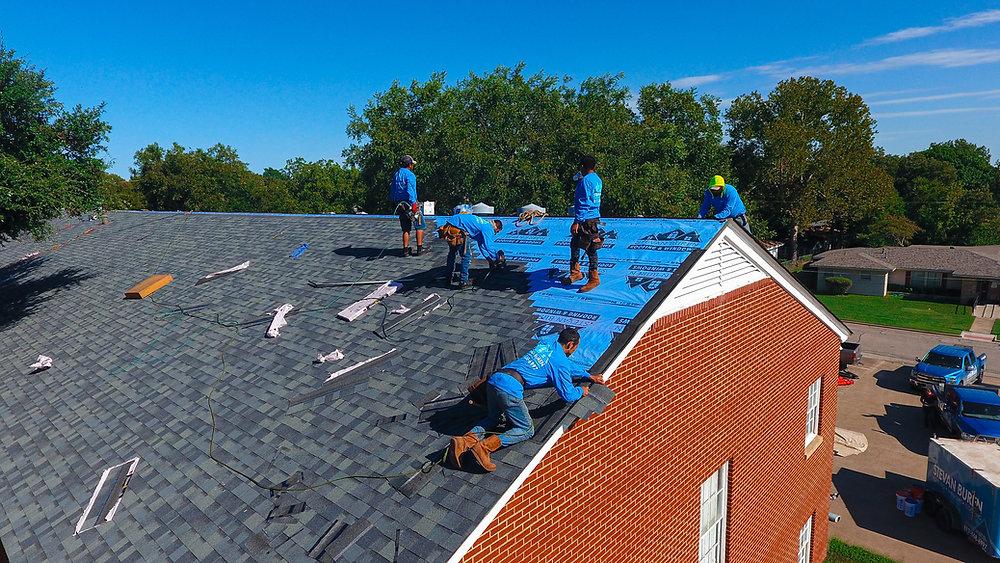
A new build is one of the largest investments a person or a business will ever make. Every decision gets scrutinized: the floor plan, the finishes, the fixtures. And then, somewhere near the end of the process, roofing gets decided quickly, often under budget pressure and timeline stress, by people who are already exhausted from months of construction decisions.
That's where expensive mistakes get made.
Unlike a roof replacement on an existing home, new construction roofing has no margin for a "we'll fix it later" approach. The choices made during the build, like materials, underlayment, ventilation, and flashing details, get locked in behind drywall and trim. Problems that could have been addressed for a few hundred dollars during construction can cost tens of thousands to correct once a home is occupied.
At Parish Roofing Solutions, our experts provide complete roofing solutions for new construction. From the decisions that matter most in new construction roofing, what North Texas conditions demand from a roof from day one, and how to make sure the job is done right the first time, we’re here to guide you through the process.
"Builder-grade" means roofing materials and methods that meet minimum code requirements, keep the build on budget, and pass inspection. But what it doesn't always consider is if that roof is optimized for where you actually live.
In a market like McKinney or Frisco, where hail is a near-annual event and attic temperatures routinely exceed 150°F in summer, the gap between "meets code" and "built for this climate" matters more than most homeowners realize. Here’s what builder-grade typically looks like and what you should be wary of:
Underlayment is the layer between your shingles and your roof decking and serves as the last line of defense if water gets past the surface. Builder-grade builds often use 15 lb. felt, the code minimum, where a heavier synthetic underlayment would offer significantly better protection against the kind of wind-driven rain that North Texas storms produce.
Code-compliant ventilation and well-designed ventilation aren't the same thing. A builder-grade system may technically hit the 1-to-150 ratio required by the IRC while still leaving hot spots, imbalanced airflow, or undersized soffit intake that limits performance when summer heat peaks.
In high-growth submarkets like Prosper, Celina, or Little Elm, roofing on new construction is often subcontracted to crews managing multiple builds simultaneously. Speed is the priority. That's not inherently a problem, but it does mean installation details like flashing, sealing around penetrations, and ridge cap alignment don't always get the attention they would on a dedicated residential job.
A builder-grade roof may look identical to a premium one on day one. The difference shows up in year eight after a hail storm, or year twelve when shingles start failing ahead of schedule, or the first time a homeowner goes to file a warranty claim and finds the ventilation doesn't meet manufacturer requirements. In a climate as demanding as North Texas, minimum standards should serve as a starting point, not the finish line.
The nation’s fastest growing cities can be found in the DFW metroplex, surging from 6,000 residents in 2010 to more than 64,000 residents in 2025. Texas follows the International Residential Code as its baseline standard for new construction roofing, but it's only part of the picture. McKinney, Frisco, and other fast-growing Collin County cities have implemented stricter wind and hail resistance requirements that reflect the realities of building in North Texas, where severe weather is now a seasonal expectation. Cities across the DFW metroplex have the authority to adopt local amendments that go beyond the IRC, and many often do.
All new construction roofing in Texas must use a fire-rated assembly from Class A, B, or C, depending on the material and application. Class A is the highest rating and offers the greatest resistance to fire exposure. Most DFW builders default to Class A assemblies, and for good reason: many homeowners' insurance providers offer premium discounts for Class A-rated roofs, and in a region with hot, dry summers, the added protection is worth having.
New construction roofing in McKinney, Frisco, and the surrounding Collin County cities requires both a permit and a passing inspection before a home can move forward toward a certificate of occupancy. Inspections exist to catch installation errors before they're buried under subsequent work. A roofing crew that resists the permit process or treats inspections as an obstacle is a red flag worth paying attention to.
A builder working across multiple submarkets may default to baseline IRC compliance without accounting for local amendments specific to your city. For homeowners, it's worth asking your builder which code edition your jurisdiction has adopted and whether any local amendments apply to roofing for new construction. In Collin County, those details can affect everything from required wind resistance ratings to acceptable fastening patterns.
Production builders in high-growth areas like Frisco, Prosper, and Celina are moving fast, and roofing is typically subcontracted to crews juggling multiple active jobs at the same time. That kind of volume creates pressure to install quickly and move on, which is where small but costly details get missed.
The deeper issue is accountability. When a problem surfaces two years after closing, the builder may point to the subcontractor, the subcontractor may point to the materials, and the homeowner is left navigating a warranty dispute with no clear advocate. Hiring an independent roofing contractor for new construction, one whose name is on the work and who has a direct relationship with the homeowner, creates a clear line of accountability that the subcontractor model rarely provides.
Your builder's inspection and your city's code inspection serve one purpose: confirming the roof meets minimum requirements to pass. Neither is designed to advocate for you as a homeowner or document the condition of what you're about to take ownership of. That's what an independent inspection by a licensed roofing contractor does, like at Parish Roofing Solutions.
Before closing, a professional inspection gives you a clear, documented picture of your roof's condition, from installation quality, flashing details, ventilation setup, and any areas that don't meet manufacturer specifications or local code amendments. If issues are identified, you have leverage to require corrections before the keys change hands. After closing, that same documentation becomes your baseline: proof of condition on day one that protects you if warranty questions arise down the road.
At Parish Roofing Solutions, we work with both residential roofing and new commercial roofing construction for businesses in North Texas. If you're weeks away from closing on a new build in McKinney, Frisco, or anywhere in Collin County, we'll give you an honest assessment of what's over your head before it becomes your responsibility. Call Parish Roofing Solutions today and get started!
Does a new construction home need a roof inspection before closing?
It's not required, but it's one of the smartest things a buyer can do. A code inspection confirms minimums were met, and an independent inspection tells you whether the installation was actually done right.
Can I upgrade my roof during the new build process?
In most cases, yes. Upgrades to underlayment, shingle grade, or ventilation can often be negotiated during the build phase for far less than it would cost to address them after closing.
What roofing materials do most McKinney and Frisco builders use?
Architectural asphalt shingles are standard across most DFW new construction, and a 30-year product is typically installed as part of a builder-grade package. Impact-resistant options are available and worth considering, given North Texas's hail frequency.
Does a builder-grade roof qualify for an insurance discount in Texas?
It depends on the product. Class A fire-rated and impact-resistant shingles (rated Class 3 or Class 4) can qualify for meaningful discounts with many Texas insurers. Builder-grade shingles that don't carry an impact rating typically won't.
How long does a new construction roof typically last in North Texas?
A properly installed architectural shingle roof should last 25 to 30 years. Without adequate ventilation or with subpar installation, that timeline can shorten significantly, sometimes by a decade or more.
When you need your roof repaired, Parish Roofing Solutions is the company to call! That’s because we know that roof repair is more than just construction – it’s about protecting your home and family from the harsh power of the elements. And according to our amazing clients, we’re the best roofing company around.

Just because there is a problem with your roof, it does not mean that it needs to be replaced.


Our roof replacement services include a total roofing system replacement.

We handle all manner of hail damage, and inclement weather restoration.

Our commercial roofers are experienced with both industrial and retail roof repair solutions.
Parish Roofing Solutions provides the highest-quality roofing to North Texas families and businesses, protecting their most precious investment in a sustainable, permanent way.

Parish Roofing Solutions serves the entire DFW area, from Fort Worth to McKinney. Your roof helps protect your home from the most recurring form of damage, Texas weather, and it deserves special attention. You can count on Parish Roofing Solutions to get the job done right.

We take pride in serving our customers and the local community.


